When Cremation Traditions Meet Modern Practices
Cremation can be deeply connected to place. In some settings, the location, the movement of water, and the way people gather around a body are part of what gives the practice meaning. At the same time, newer cremation facilities can exist nearby, offering a different way to carry out the same basic process.
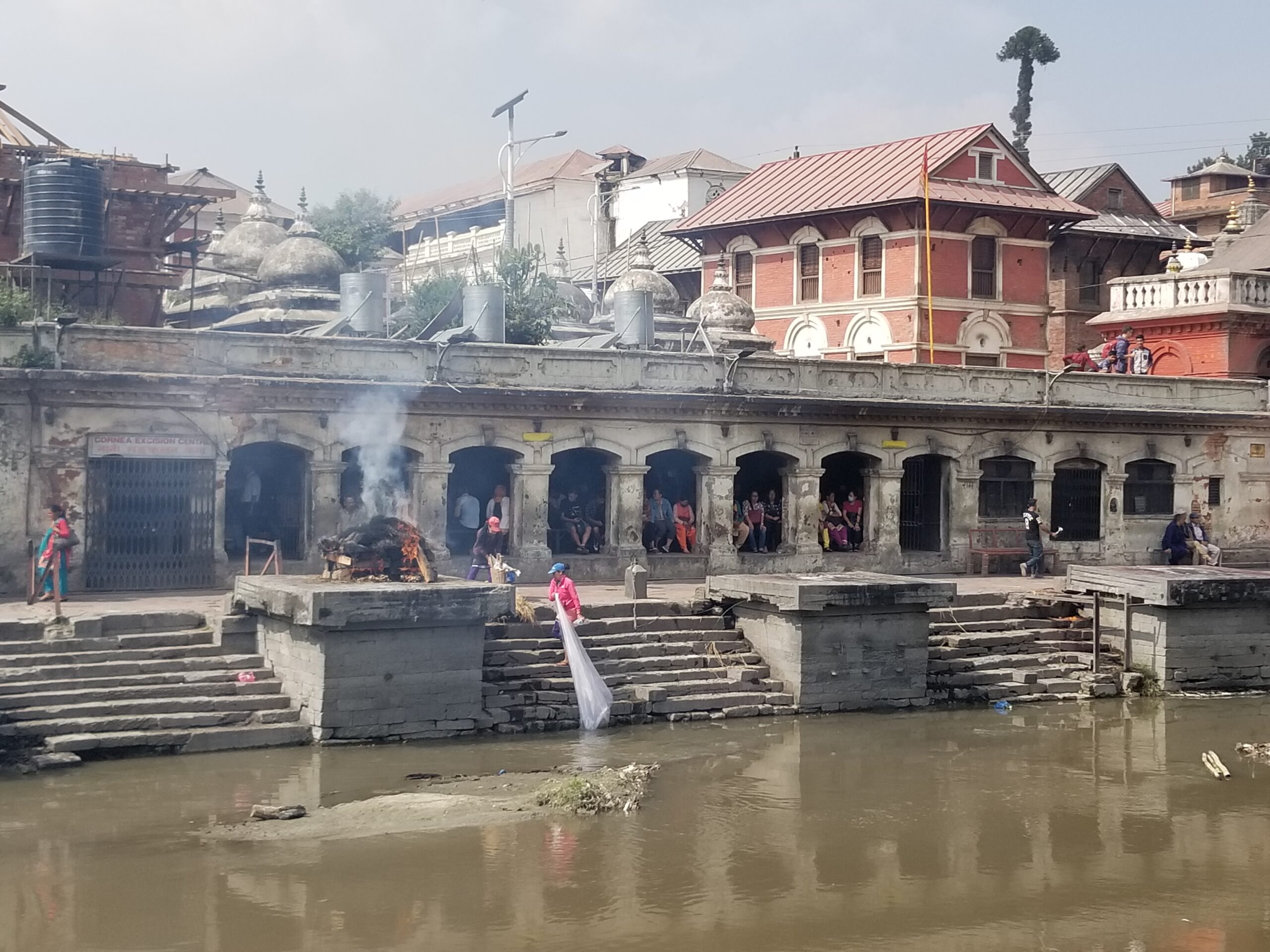
During a visit to Nepal, a member of the Anubis team witnessed cremations taking place beside a river. The bodies were cremated on structures along the riverbank, and afterward the cremated remains were moved into the water. Nearby, there was also a newer crematory designed to offer a more controlled process.
Seeing both approaches in the same place created a contrast that was difficult to ignore.
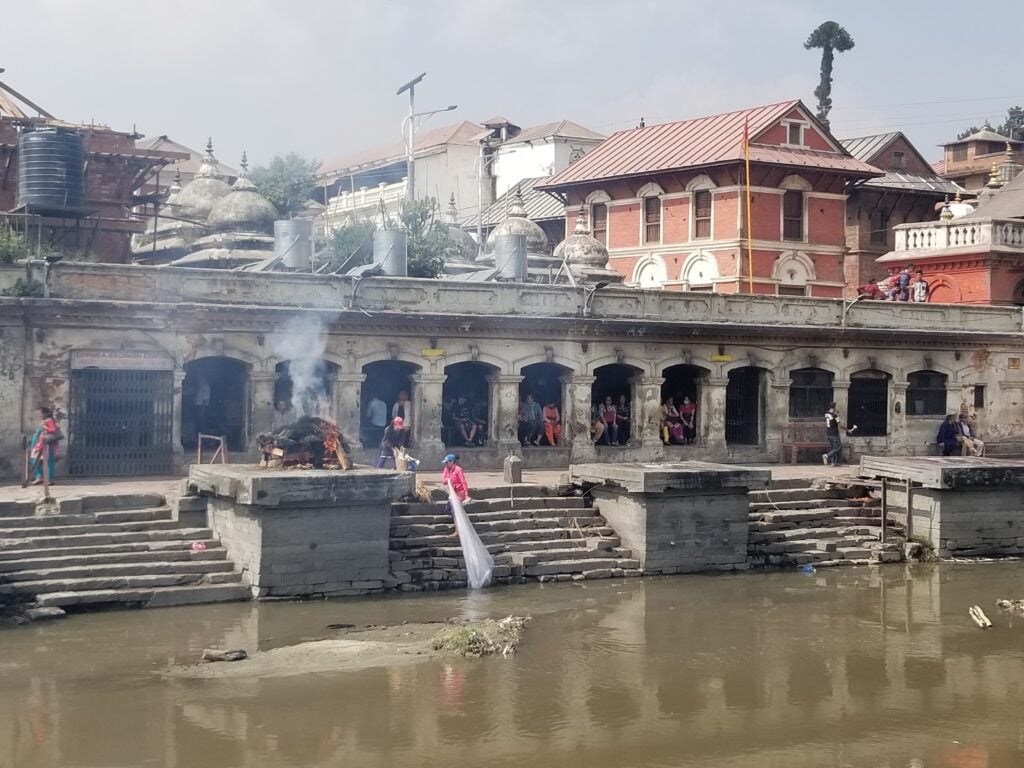
When a practice is connected to place
A cremation beside a river is not experienced in the same way as a cremation taking place inside a modern facility. Even when both involve cremation, the setting changes what people see, how they gather, and how directly the process is connected to the surrounding environment.
That connection to place can be part of why established practices continue even when newer options become available. A riverbank may hold meaning that a building cannot simply reproduce. The physical setting may be connected to ritual, family expectations, or a way of understanding what happens to the body after death.
This does not mean that everyone relates to the practice in the same way. It does show how difficult it can be to separate a funeral tradition from the place where it has long taken place.
New systems do not immediately replace old ones
The presence of a newer crematory did not mean that riverside cremations had disappeared. Both existed alongside each other.
That coexistence is important. Changes in funeral practices are not always a simple movement from an older method to a newer one. A modern facility may offer greater control over parts of the cremation process, while a longstanding practice may continue to carry cultural or personal significance for the people who choose it.
The difference can also raise practical questions. In the experience observed in Nepal, water quality and emissions were part of the conversation surrounding the two approaches. A modern crematory can introduce systems intended to manage aspects of the process differently, but those practical considerations exist alongside the meaning people attach to established customs.
The result is not always a clear choice between tradition and modernization.
What remains when practices change
Funeral practices have always existed within larger systems. They are shaped by available technology, local environments, family customs, and the ways communities understand death.
When new methods become available, they can change what is possible without immediately changing what feels familiar. A newer crematory may alter how emissions are managed or how the cremation itself takes place, while an older practice may continue because its meaning extends beyond the technical process.
Observing both forms of cremation in the same place makes that relationship visible. Modernization can introduce new considerations, but tradition does not disappear simply because another option exists.
Sometimes the most revealing part of change is seeing what people choose to carry forward.
ABOUT ANUBIS
Anubis Cremations serves families throughout California with a calm, transparent approach to end-of-life care. We focus on clarity, environmental responsibility, and respectful handling at every step, helping families navigate the practical and emotional decisions that come with loss.
Our goal is simple: to make a difficult time clearer, gentler, and easier to move through.
Learn more at https://anubiscremations.com
Call us 24/7 at 323-644-3323
info@anubiscremations.com