What Urban Forests Bring to a City
A city street changes when it passes beneath a line of mature trees. The light becomes softer, the sound of traffic feels less immediate, and the sidewalk seems slightly separated from the movement around it. People may continue at the same pace, but the space itself offers a different kind of passage through the city.
Urban trees are often described through their practical benefits, but they also shape ordinary moments that are harder to measure. They create places to pause before entering a building, to sit during a lunch break, or to walk without feeling fully exposed to the street. Their presence can make a familiar route feel more settled, even when the day around it is busy.
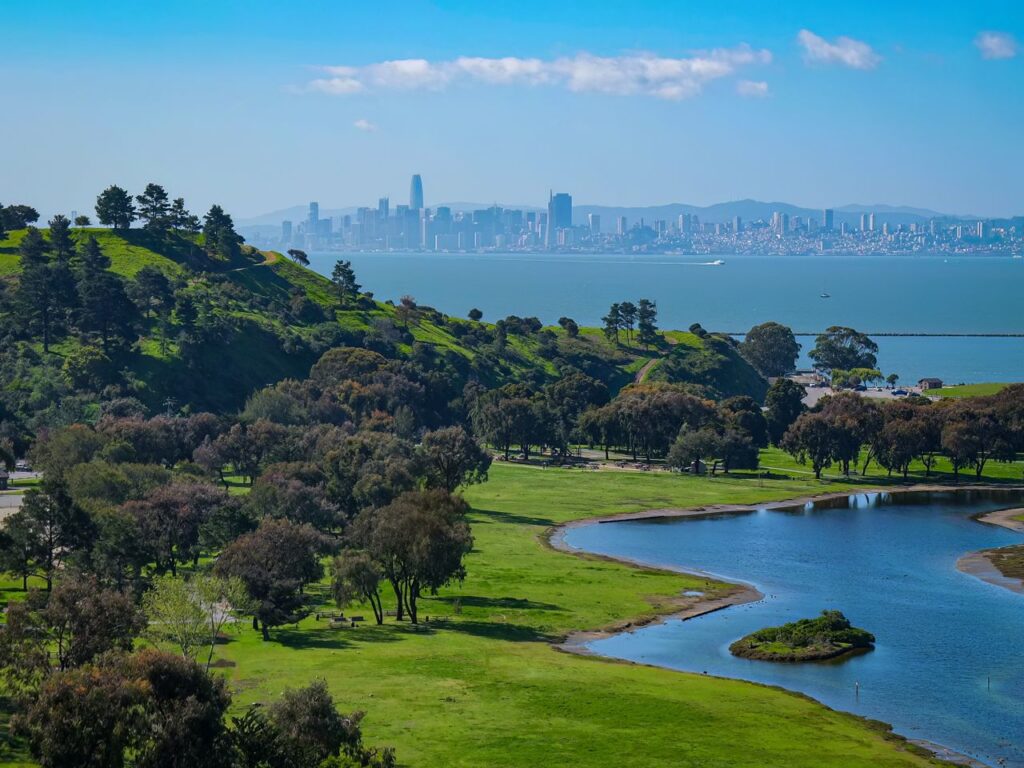
A different pace within the city
Some parts of a city are designed for movement. Roads carry traffic, sidewalks connect destinations, and buildings open and close according to schedules. Trees introduce another rhythm. Their branches move with the wind, their shade shifts during the day, and their appearance changes gradually with the seasons.
This slower rhythm does not stop the activity around it. It simply exists alongside it. A person may notice the difference while waiting for a ride, walking between appointments, or taking the longer route back to a parked car. These are not planned experiences. They are small changes in the surroundings that can make a place feel less hurried.
A bench beneath a tree, a narrow greenway, or a shaded corner near a public building may become useful without being assigned a specific purpose. People sit, wait, make phone calls, or remain there for a few minutes before continuing. The value of the space often comes from being available.
Ordinary places on difficult days
Some days include hospital visits, family conversations, paperwork, or calls that cannot be postponed. After a death, familiar streets and ordinary errands may continue to be part of the day, even when attention is divided between practical decisions and personal responsibilities.
A quiet outdoor space does not change what needs to be handled. It may simply offer a different setting between one task and the next. A short walk beneath trees can create a natural separation between a building and a car, between one conversation and another, or between the public part of the day and the return home.
These spaces are not private, but they can still allow a person to be alone for a moment. Other people may pass nearby. Traffic may remain audible. Nothing about the city has stopped. The difference is that trees, distance, and shade create a softer boundary around an ordinary pause.
What remains familiar
Trees grow according to a timeline that extends beyond changing businesses, roadwork, appointments, and daily routines. They mark the seasons through new leaves, flowers, bare branches, or the return of shade. Over time, they become familiar points of reference.
A tree near a home, hospital, office, or neighborhood path may be noticed repeatedly without receiving much attention. Its presence becomes part of how the place is remembered. Often, that familiarity becomes clearest when the tree is removed or when a route no longer feels the same.
Urban trees do not need to provide a lesson or a planned experience. Their quiet value may be found in the space they hold, the paths they soften, and the ordinary moments that continue beneath them.
ABOUT ANUBIS
Anubis Cremations serves families throughout California with a calm, transparent approach to end-of-life care. We focus on clarity, environmental responsibility, and respectful handling at every step, helping families navigate the practical and emotional decisions that come with loss.
Our goal is simple: to make a difficult time clearer, gentler, and easier to move through.
Learn more at https://anubiscremations.com
Call us 24/7 at 323-644-3323
info@anubiscremations.com