What Tibetan Sky Burials Reflect About Impermanence
When a death occurs, practical questions soon appear. Where will the body go? Who will care for it? What form will the final ritual take? Every culture answers these questions through its own landscape, beliefs, and inherited practices. In parts of Tibet and the Himalayan region, one answer has been the ritual commonly known in English as a sky burial.
The Tibetan term jhator refers to offering the body to vultures as a final act of generosity toward other living beings. During the ritual, the body is taken to a designated open place and prepared so that vultures can consume it. The practice is not performed as a public spectacle. It belongs to a religious and communal setting, shaped by local custom and by the responsibilities of those entrusted with the dead.
The body that remains
Tibetan Buddhist traditions place strong attention on death, transition, and impermanence. The body is not treated as the permanent center of the person. A Rubin Museum explanation of Tibetan Buddhist teachings notes that the Tibetan word for body can be understood as “what is left behind,” while consciousness continues through the intermediate state known as the bardo.
Within that understanding, preserving the physical body is not always the central purpose of a funeral. The body has completed its role. What remains can be returned through an act that supports other living beings.
This does not make the body unimportant. Care is still present in the prayers, preparation, timing, and boundaries surrounding the ritual. Respect does not always require keeping something intact. In this tradition, it may appear through the careful release of what can no longer be held.
An offering within a living landscape
Vultures are central to the practice because they receive the body as food. The act turns physical remains into nourishment, giving the final handling of the body a direct relationship with other life. This is one reason sky burial is often described through the language of generosity rather than disposal.
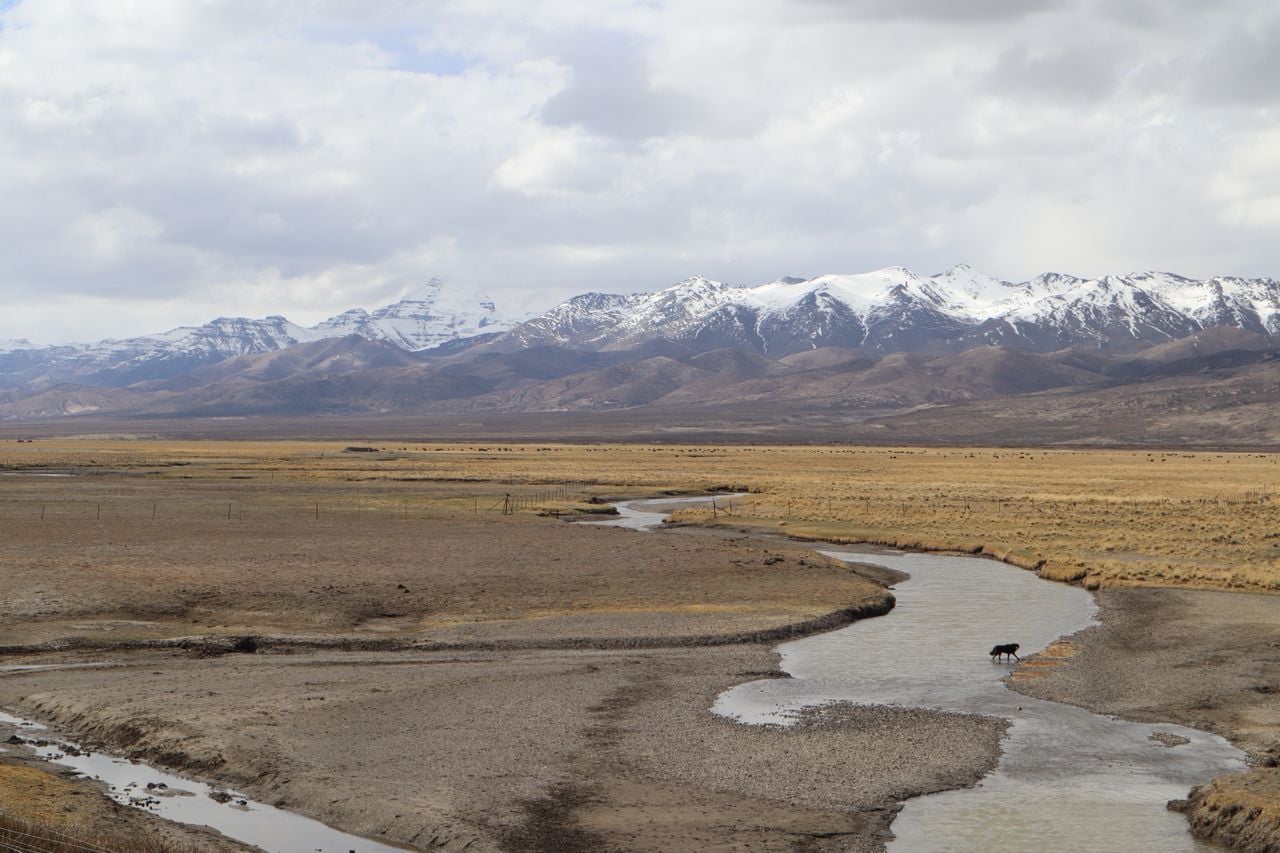
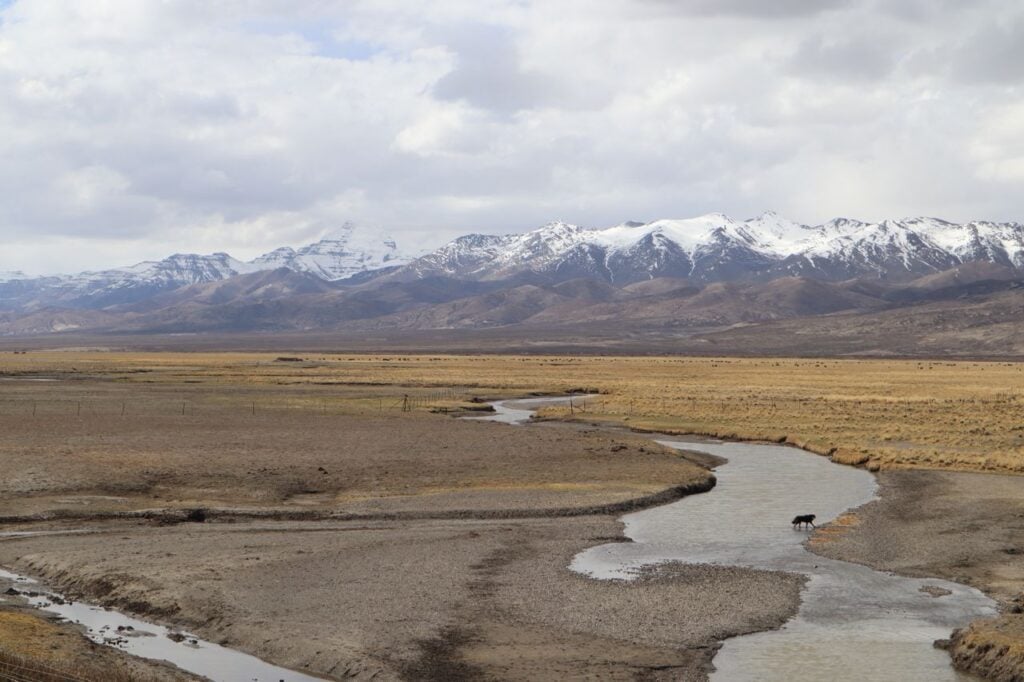
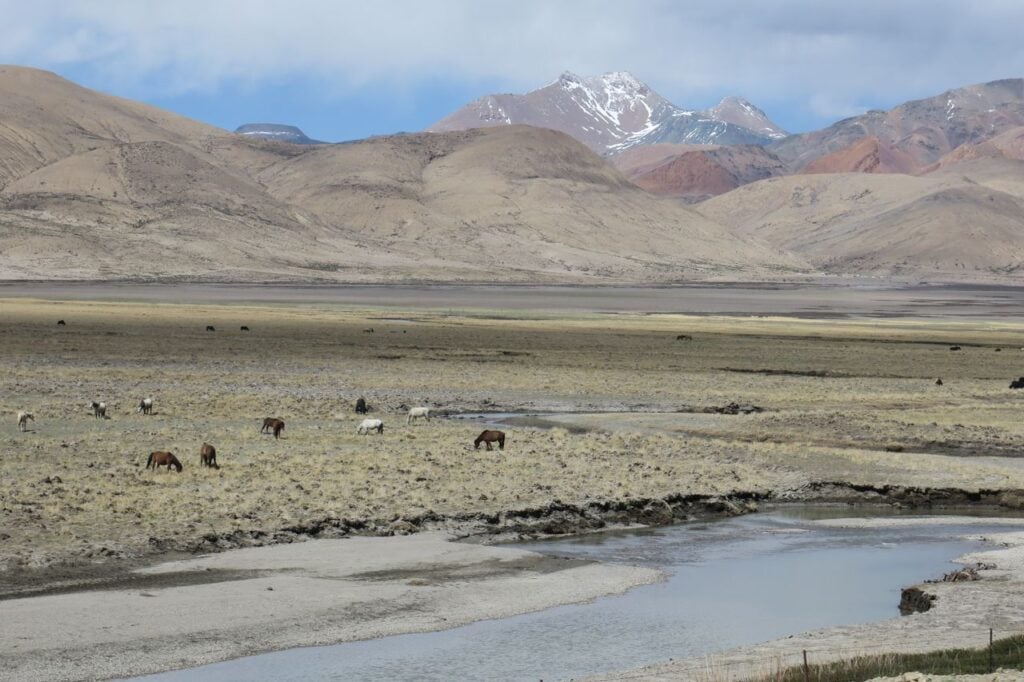
The landscape also matters. Funeral customs often develop in conversation with the places where people live. High plateaus, open ground, climate, and local resources have all shaped forms of care for the dead across the Himalayan region. Yet reducing sky burial to geography alone would miss its religious meaning. The ritual brings practical conditions and Buddhist ideas into the same act.
There is no need to present that act as mysterious in order to recognize its significance. A body returns to a wider cycle. Birds are fed. The living carry out their responsibilities. The ritual gives visible form to the understanding that nothing remains unchanged.
Impermanence without disappearance
Impermanence in Buddhism does not simply mean that everything ends. It describes the continuous change present in bodies, relationships, seasons, and material things. Tibetan Buddhist practice has long included contemplation of death as a way of paying attention to that instability.
Sky burial makes that idea physical. The body does not remain in one protected form. It changes through contact with the land and other living beings. What had been one person’s physical presence becomes part of something beyond the individual.
For people outside the tradition, the ritual may feel unfamiliar because many funeral practices emphasize enclosure, preservation, or a permanent resting place. Sky burial follows another pattern. It leaves less behind to visit, but it does not remove remembrance. Memory remains with families, communities, prayers, and the ways a life continues to be spoken of.
The ritual does not ask the body to resist change. It allows change to be seen.
ABOUT ANUBIS
Anubis Cremations serves families throughout California with a calm, transparent approach to end-of-life care. We focus on clarity, environmental responsibility, and respectful handling at every step, helping families navigate the practical and emotional decisions that come with loss.
Our goal is simple: to make a difficult time clearer, gentler, and easier to move through.
Learn more at https://anubiscremations.com
Call us 24/7 at 323-644-3323
info@anubiscremations.com
References:
- Dzigar Kongtrul Rinpoche. (2023, February 27). Death, the bardo, and rebirth in Tibetan Buddhism. Rubin Museum of Himalayan Art. https://rubinmuseum.org/death-the-bardo-and-rebirth-in-tibetan-buddhism/
- Martin, D. P. (1996). On the cultural ecology of sky burial on the Himalayan Plateau. East and West, 46(3/4), 353–370.