Eco-Friendly Funeral Options: Water Cremation, Green Burial, and More
Many people already make environmental choices in ordinary parts of life. They recycle, pay attention to where products come from, visit local farmers markets, or think about how everyday habits affect the places around them. Funeral care is another area where environmental impact can become part of the conversation.
For some families, the question is not about finding one perfect option. It is about understanding how different choices use energy, land, water, chemicals, and materials, and how those choices fit with the values a person carried through life.
Water cremation and a different use of resources
Water cremation uses water, heat, pressure, and an alkaline solution rather than direct flame. The process takes longer than conventional flame cremation, but it can have a much lower emissions profile. At Anubis, Inc., the water cremation system is powered by 100% renewable electricity.
That difference changes the environmental footprint of the process without changing the basic purpose of cremation. It also reflects a broader shift in funeral care: families have more ways to consider what happens to the body while also thinking about energy use and emissions.
Flame cremation can also be approached with environmental impact in mind. The retorts used by Anubis, Inc. were custom designed to reduce emissions compared with more traditional equipment. Cremation also does not require a burial plot, and it can take place without embalming.
Burial, preservation, and returning naturally
Traditional burial can involve concrete and other manufactured materials that remain in the ground for a long time. Embalming may also introduce chemicals into a process that some families would prefer to keep simpler.
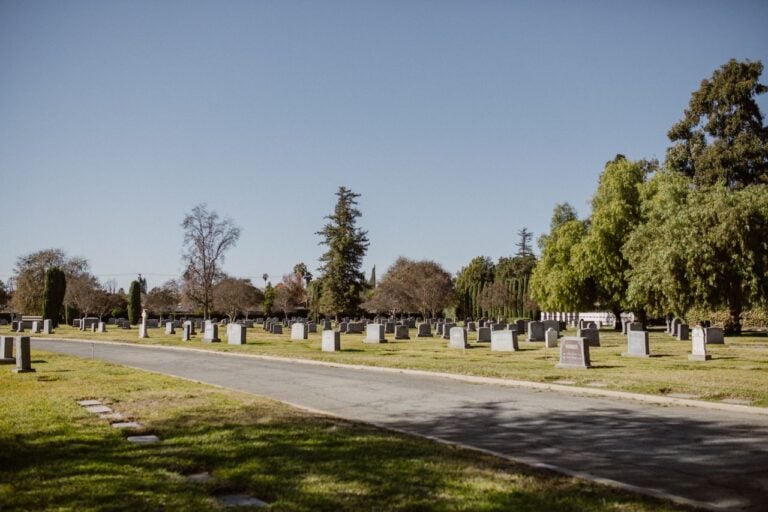
Green burial takes a different approach. It uses fewer materials and does not rely on embalming, allowing the body to return more directly to the earth. The appeal is not necessarily about rejecting traditional funerals. A family may still value viewing, ceremony, gathering, or burial while choosing fewer materials and less preservation.
Natural organic reduction, sometimes called human composting, extends that idea further by transforming the body into soil. It has become part of a larger conversation about whether funeral care can focus less on preserving the body and more on returning it to natural systems.
What happens after cremation can matter too
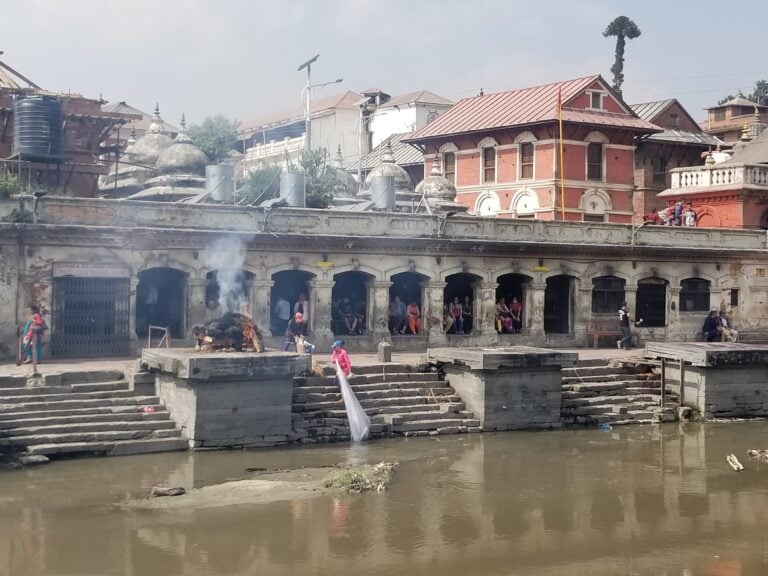
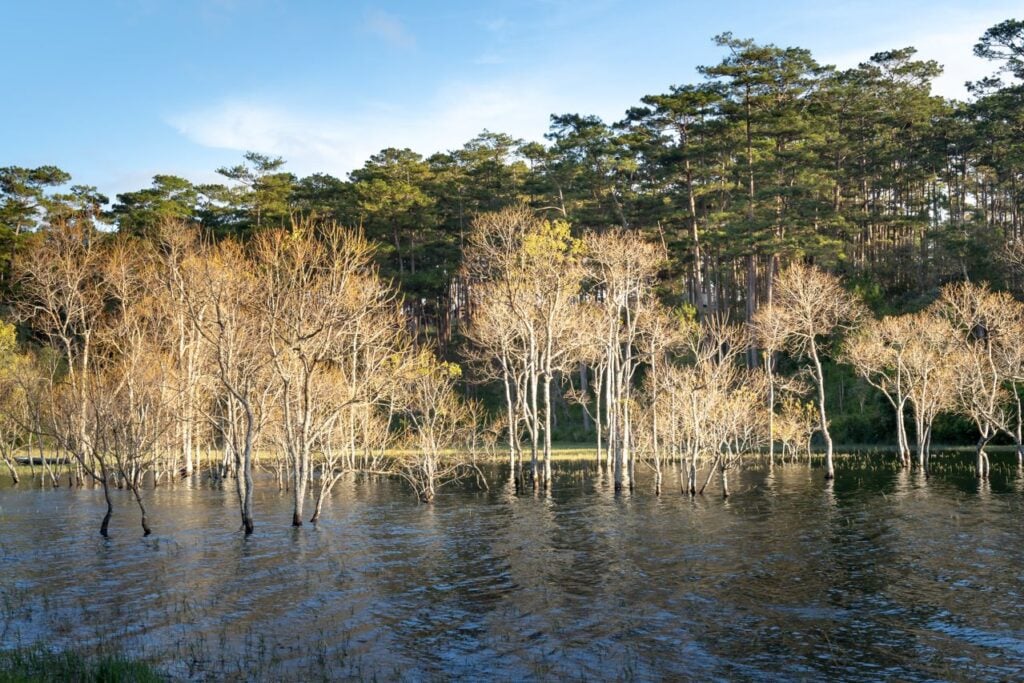
Environmental considerations do not necessarily end with the cremation itself. Cremated remains can become part of a memorial connected to nature, whether they are placed near a tree, scattered in a meaningful landscape, or taken to a place that mattered to the person who died.
Sea scattering is another option families sometimes consider. Others choose several meaningful locations, creating a final journey through places connected to a person’s life. These choices are not all environmentally identical, but they reflect how often remembrance is connected with water, trees, open land, and other natural spaces.
There is no single form of funeral care that represents every family’s values. What has changed is the range of possibilities. Environmental responsibility can now be considered alongside tradition, ceremony, simplicity, and personal preference.
For some people, that simply means leaving a little less behind.
ABOUT ANUBIS
Anubis Cremations serves families throughout California with a calm, transparent approach to end-of-life care. We focus on clarity, environmental responsibility, and respectful handling at every step, helping families navigate the practical and emotional decisions that come with loss.
Our goal is simple: to make a difficult time clearer, gentler, and easier to move through.
Learn more at https://anubiscremations.com
Call us 24/7 at 323-644-3323
info@anubiscremations.com