
What Families Place Inside an Urn
An urn is usually thought of as a container with a single purpose. It holds the remains, it is closed, and it is placed somewhere meant to stay the same. Many people never consider that there might be room for anything else inside it.
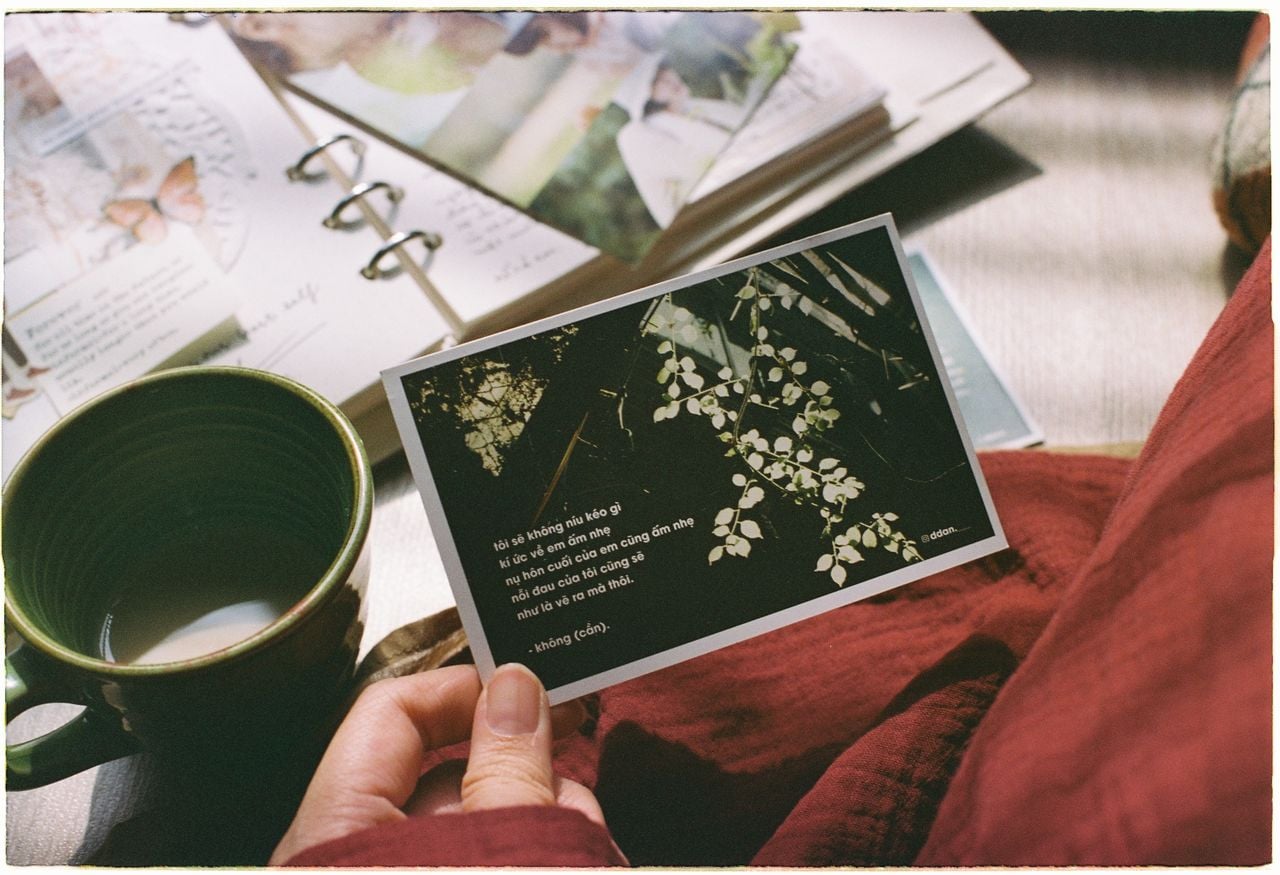
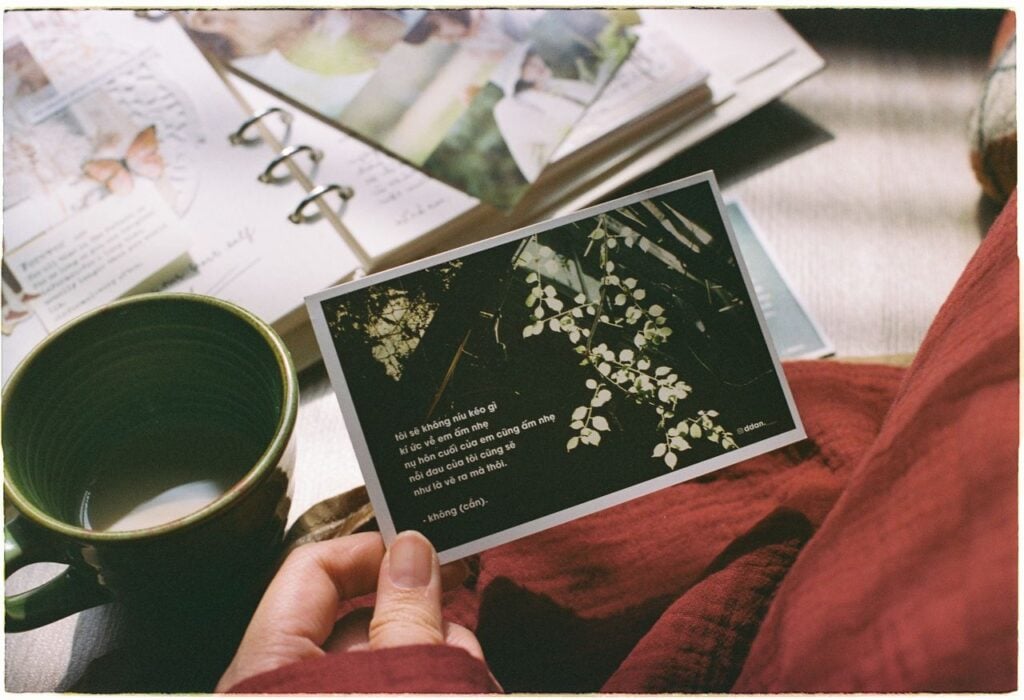
Some families do add something before the urn is closed. A folded card. A letter written the night before. A few lines on a page torn from a notebook. Small things, often chosen without much discussion, that end up resting beside the person they were written for.

An older habit in a new place
Cemeteries have long shown signs of visits. Flowers at a headstone, a small object left at its base, a card tucked into a vase. These gestures are rarely practical. They show that someone came, and that the relationship did not end with the service.
When a person is cremated, the place for visiting can be less defined. The urn may sit on a shelf at home, rest in a niche, or wait while a family decides on scattering. Placing something inside it carries a similar instinct into a different setting. Instead of returning to a site over the years, the gesture happens once, close to the moment of saying goodbye.
Ordinary things, kept close
What families choose is usually familiar. A Valentine’s Day card. A holiday card signed by everyone in the house. A love letter, or a short note written in a hurry. Sometimes it is not paper at all. Small crystals are one example, set among remains that, after water cremation, tend to look lighter and closer to white than many people expect.
None of these objects explain anything. They are the same kinds of things people exchanged while someone was alive. That continuity seems to be part of their meaning. The note in the urn is written in the same voice as the notes left on the kitchen counter, and it is addressed to the same person.
There is no fixed rule about what a memento should be, though practical details still play a part. Some urns are sealed permanently, some are made for placement in a columbarium, and some will be opened later for scattering. Size, material, and what will eventually happen to the urn can shape what makes sense to include. These questions usually come up before the urn is closed, while there is still time to consider them.
Who the gesture is for
It is fair to wonder whether a note placed in an urn is meant for the person who died or for the people who remain. Often the two are difficult to separate. Writing the card continues a conversation that was interrupted. Placing it inside decides where that conversation will rest.
The gesture may matter more to the living than to anyone else, and that does not make it less real. People have always found ways to keep a relationship present after a death, through visits, through rituals, through objects kept in drawers. A letter inside an urn is one more of those ways, quieter than most and seen by almost no one.
The urn still holds what it was made to hold. Sometimes it also holds a few words in familiar handwriting, folded once, that no one else will read.
ABOUT ANUBIS
Anubis Cremations serves families throughout California with a calm, transparent approach to end-of-life care. We focus on clarity, environmental responsibility, and respectful handling at every step, helping families navigate the practical and emotional decisions that come with loss.
Our goal is simple: to make a difficult time clearer, gentler, and easier to move through.
Learn more at https://anubiscremations.com
Call us 24/7 at 323-644-3323
info@anubiscremations.com