Human Composting and the Natural Process of Returning to Soil
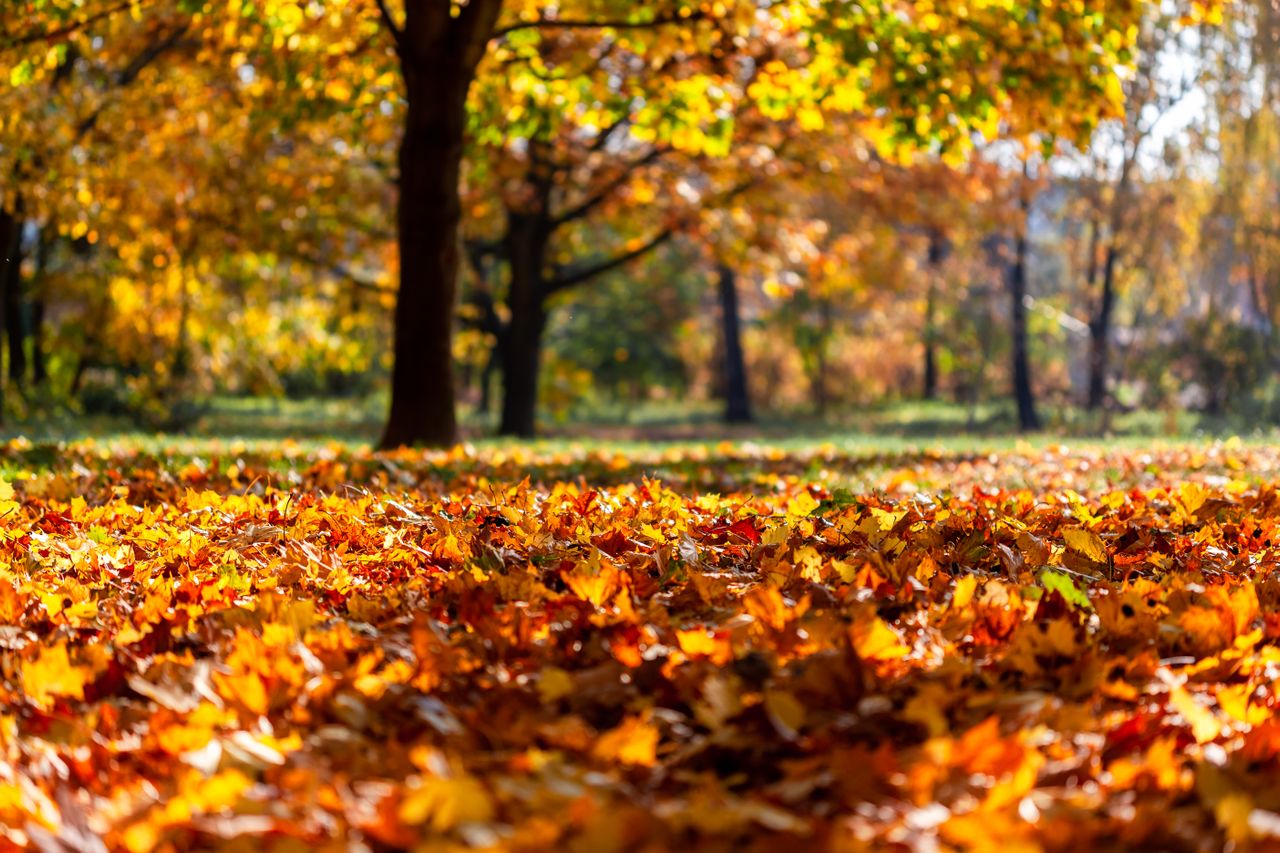
Some gardeners leave fallen leaves where they land. Over time, the leaves soften, break apart, and become part of the soil beneath them. What first looks like waste becomes part of an ongoing process in which organic material decomposes and contributes to the ground around it.
For people who are comfortable with these natural cycles, the idea of returning organic material to the soil may already feel familiar. Natural organic reduction, often called human composting, brings a similar principle into end-of-life care.
When Decomposition Is Part of the Landscape
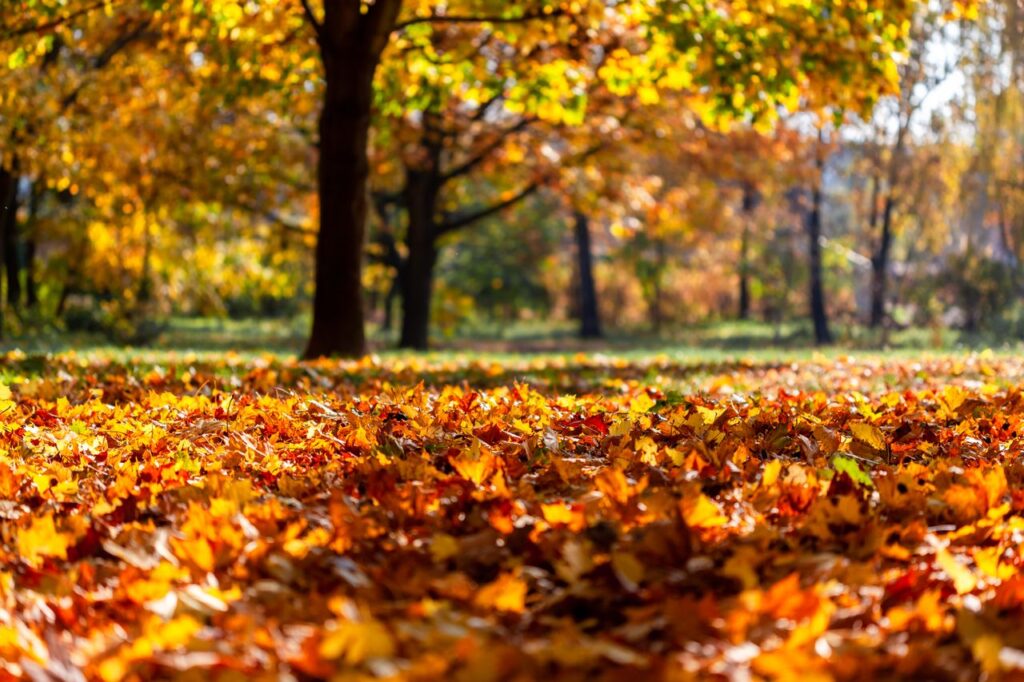
Decomposition happens quietly throughout the natural world. Leaves fall, plants die back, and organic material gradually changes as microorganisms break it down. In gardens and forests, these processes help create new topsoil and contribute to the continuing life of the soil.
People who garden or spend time caring for outdoor spaces often see decomposition differently from people who encounter it only as decay. A pile of leaves left beneath a tree, for example, may eventually become part of the ground rather than something that needs to be removed.
This idea of returning rather than preserving is also part of the conversation around some newer forms of death care. The body does not have to be understood only as something that must remain separate from natural processes after death.
How Human Composting Works
Natural organic reduction uses organic materials and microorganisms to support the natural decomposition of the body in a controlled process. It is commonly referred to as human composting and may also be described as a form of soil transformation.
The process works with biological activity that already exists in nature. Rather than preventing decomposition, it creates conditions that allow decomposition to take place more quickly and in a managed environment. The result is soil material that can return to the land.
That distinction matters because human composting is not simply another name for burial or cremation. Its basic idea is different. The body becomes part of a process that produces soil rather than ashes or a preserved physical resting place.
For someone first hearing about natural organic reduction, the word “composting” can sound unusual when connected with death care. Yet the process draws on something familiar: organic matter breaking down and returning to the earth.
Returning to the Land in a Different Form
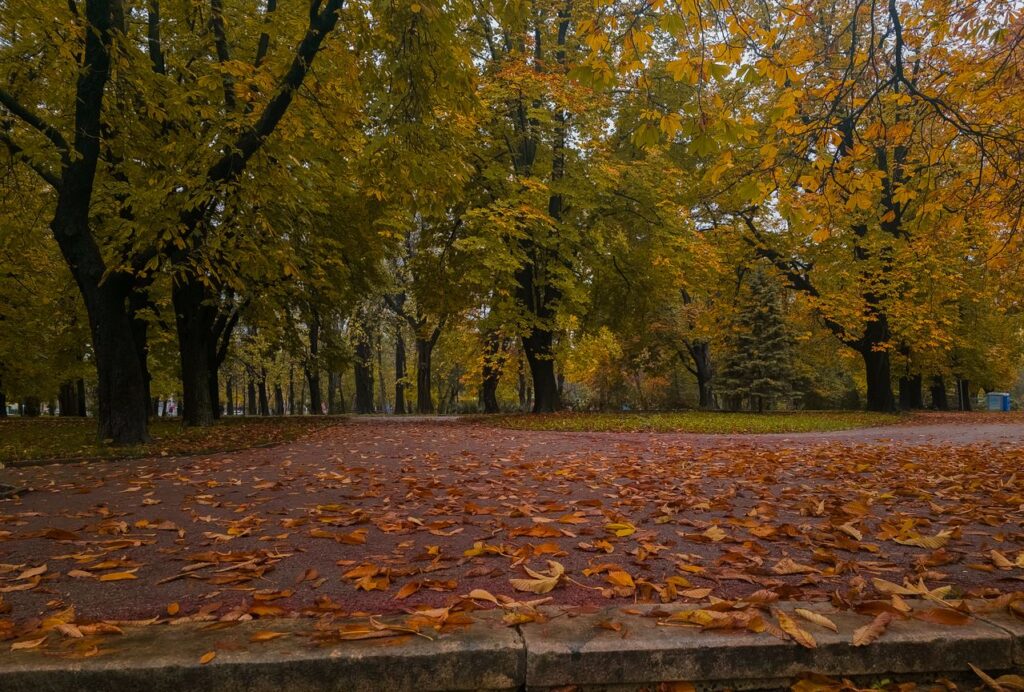
What happens afterward is also part of what makes human composting distinct. The resulting soil may be returned to natural environments such as forests, and in some circumstances families may be able to keep a portion for personal use, including in a garden.
This creates a different relationship between the body and the land. Instead of remaining separate from the environment, the physical material becomes part of soil that can exist within a living landscape.
For people who already value gardening, natural materials, or processes that work with rather than against decomposition, that connection may be especially recognizable. It does not make human composting the right choice for everyone. It simply reflects another way that end-of-life care can interact with the natural world.
A fallen leaf eventually becomes difficult to distinguish from the soil beneath it. Human composting begins from a similarly simple idea: organic matter can return to the ground as part of an ongoing natural process.
ABOUT ANUBIS
Anubis Cremations serves families throughout California with a calm, transparent approach to end-of-life care. We focus on clarity, environmental responsibility, and respectful handling at every step, helping families navigate the practical and emotional decisions that come with loss.
Our goal is simple: to make a difficult time clearer, gentler, and easier to move through.
Learn more at https://anubiscremations.com
Call us 24/7 at 323-644-3323
info@anubiscremations.com